
The epicenter of AI for Impact
Decoded
Futures
Nonprofits across New York City are harnessing AI to scale their impact through Tech:NYC’s Decoded Futures — a force multiplier empowering organizations to shape the future of innovation
2025 ANNUAL REPORT
●
2025 ANNUAL REPORT ●
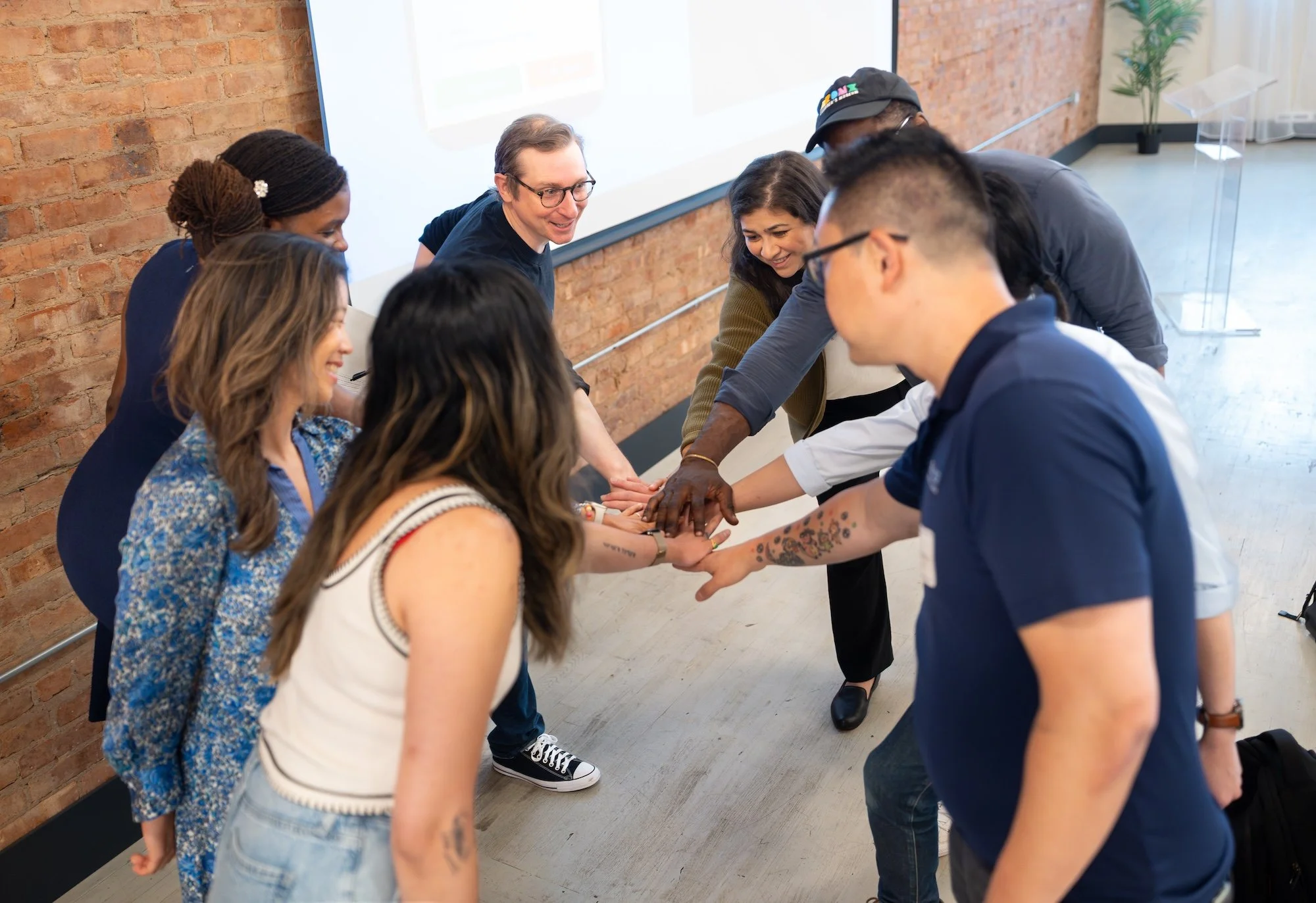
Photo: Rafael Infante
If 2025 was the year defined by AI (and it undeniably was), Tech:NYC’s Decoded Futures was squarely at the center of the AI for Impact movement, turning bleeding-edge technology into a force multiplier for nonprofits.
Decoded Futures was built on a simple but ambitious premise: New York’s social sector deserves access to the same cutting-edge tools shaping the private sector. And not surprisingly, our nonprofit partners thrived. When organizations come into Decoded Futures, they already know the problems they need to solve and the communities they serve. What they gain through our program is the kind of capacity building that empowers them to supercharge their impact..
Our alumni become AI advocates, builders, and teachers inside their own organizations. They shape new policies, train colleagues, build prototypes that evolve into long-term systems, and lead responsible innovation in real time. They set off momentum across departments and, often, across entire organizations — sometimes even becoming AI vanguards in their sector — at a pace that only New York could generate.
This is the heart of Tech:NYC’s Decoded Futures — unlocking an exponential increase in impact for the nonprofits that serve New Yorkers. We’re proud of what our alumni have built, and grateful for the chance to showcase just a few examples of what our role has accomplished in our first full year of programming.
“It was kind of revolutionary… the way that we're approaching integrating AI into our workflow and our workspace.”
Dave Hazan
NY Sun Works
BY THE NUMBERS
Photo: Robin Hood
220
NYC nonprofits served
95%
alumni continue the AI framework
200+
prototypes developed
$1M
awarded to nonprofits
1,200
nonprofits supported nationally
How we do what we do
8-WEEK COHORTS THAT LEAD TO PROTOTYPES
Across each cohort, 20-25 nonprofits learn to spot an “AI-shaped” problem and build the AI solution, leading to a prototype.
Nonprofits leave with the mindset, frameworks, and skills to supercharge their impact long after the program ends
SUPPORT FROM NYC’S TECHNOLOGISTS
Decoded Futures also brings in technologists from some of New York’s leading tech companies.
Each nonprofit has a tech mentor who works side-by-side to help design tools and systems that off-the-shelf solutions can’t address for these organizations.
ROUND-THE-YEAR RESOURCES
Decoded Futures fuels the AI-for-impact community year-round with high-value resources and events such as the Prompt Cookbook of 300+ prompts for nonprofits, the Build Day of rapid prototyping, lightning deep dives, and more.
THE BEST COLLABORATORS IN THE BUSINESS
Decoded Futures funders are true partners, spurring on hundreds of nonprofits through our work. None of this would be possible without Robin Hood, Salesforce, Google.org, Altman Foundation, OpenAI, and AWS.
Signals from
the field:
Nonprofits shaping the future
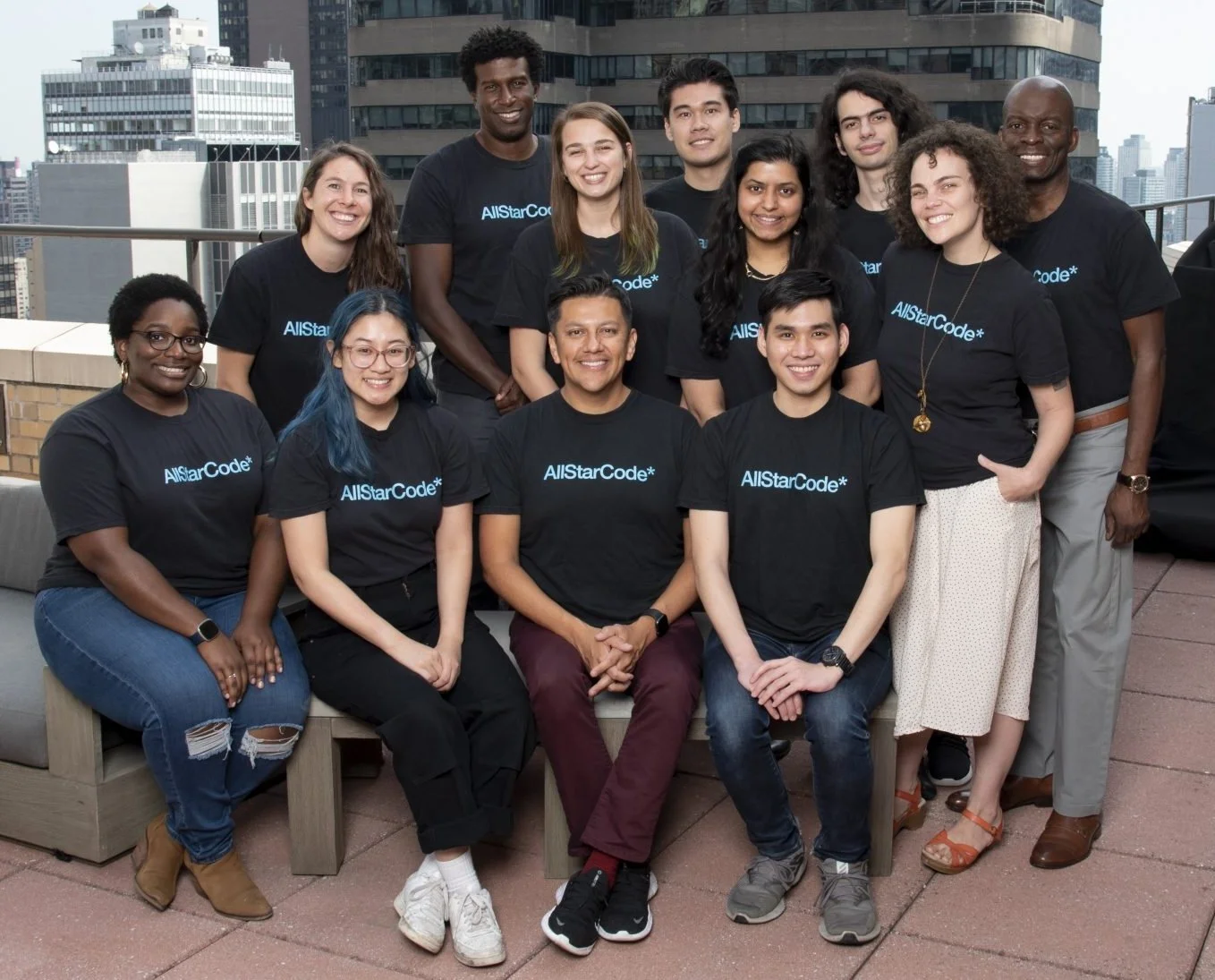
AI Advocate: Khye Borg Liew, Director of Teaching & Learning
Over 9,000 STEM learners engaged nationwide and 450 Scholars placed in tech roles. The Launching Digital Futures continuum prepares young men of color to thrive in tech by building technical skills, professional networks, and an entrepreneurial mindset.
AI LEARNING AGENTS
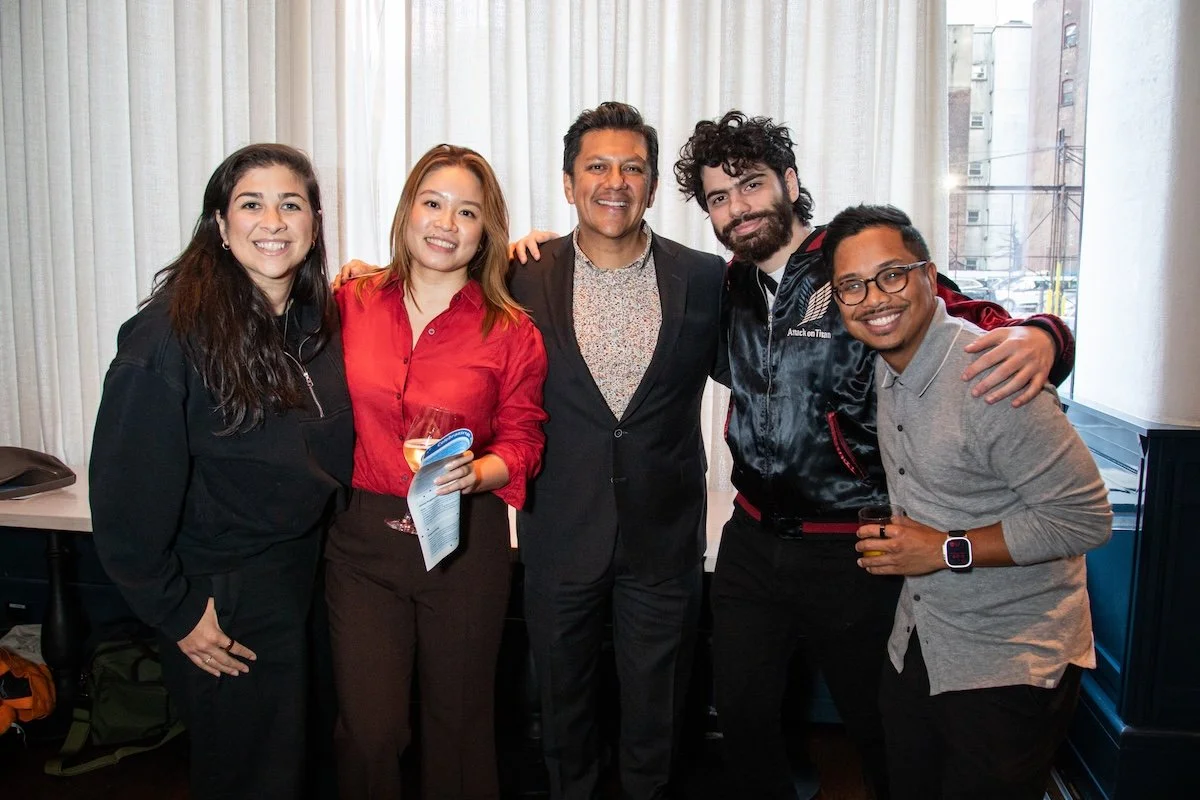
Photo: All Star Code
Photo: Erica Price
Before DF
A core challenge: Scaling nationally without losing their inquiry-based, culturally responsive pedagogy. Off-the-shelf AI tools offered shortcuts but not the deeper learning and rigor essential for long-term success.
with DF
ASC built TA Dante, a “helpfully unhelpful” AI teaching assistant that mirrors their Socratic approach by asking guiding questions rather than giving answers. It provided scalable, culturally responsive support to beginner coders while extending instructor capacity across programs.
after DF
ASC is developing a suite of AI-powered learning agents spanning coding support, personalized career navigation, and educator tools. This constellation will protect instructional quality as ASC grows nationally, accelerating learning, supporting differentiated pathways, and expanding tech careers for young men of color at unprecedented scale
AI Advocate: Eunice Beck, Senior Vice President of Data & Innovation
Serves more than 11,000 New Yorkers, including adults and children with developmental disabilities, and families navigating trauma, separation, and instability.

AI-ENABLED CARE
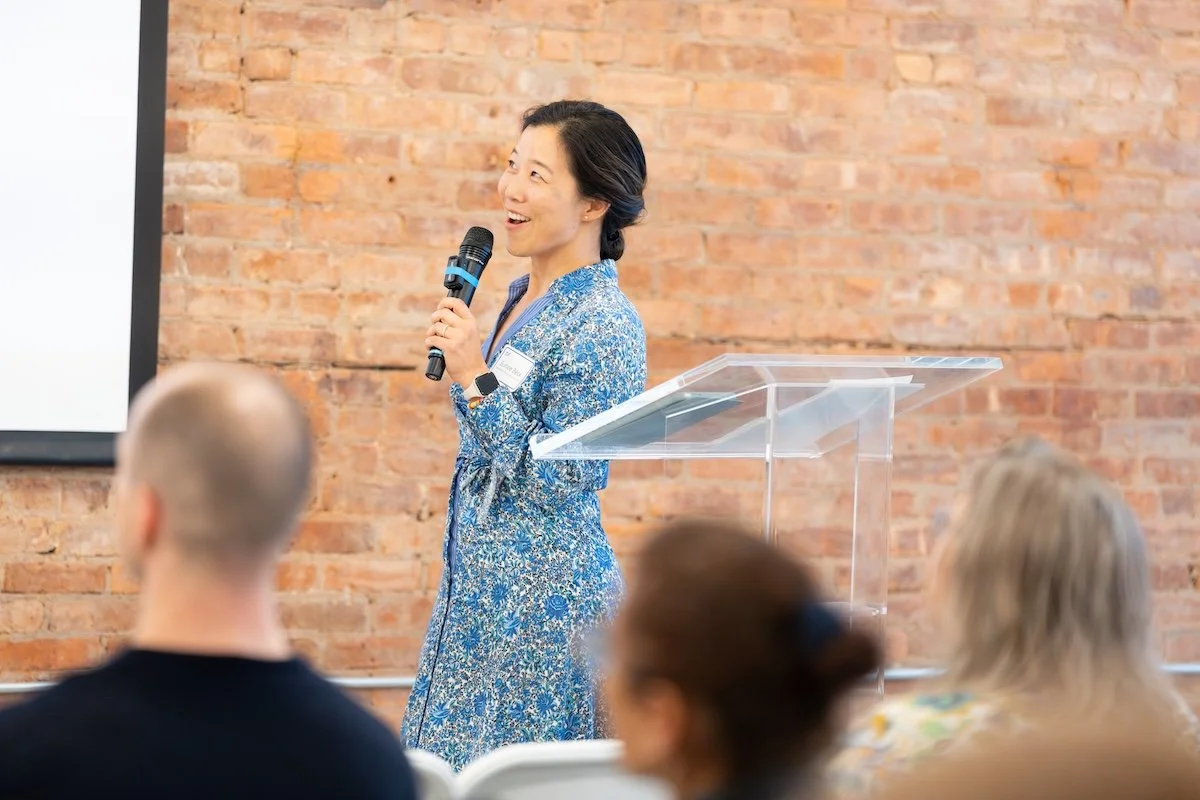
Photo: Heartshare
Photo: Rafael Infante
Before DF
Heartshare’s work depends on consistent person-centered support, yet staff often struggle to access and transfer critical information spread across fragmented systems. This leads to gaps in communication and care that directly affect clients’ daily experiences.
with DF
Heartshare built its first person-centered GPT prototype to transform dense documentation into clear, conversational guidance for frontline staff. While the early version demonstrated the potential of AI, it also surfaced critical needs around trust, safety, and well-defined usage guardrails.
after DF
Heartshare secured follow-on funding to lead the field with AI With Care, a framework that helps human-services organizations use AI safely and responsibly. Heartshare is emerging as a national model for AI-enabled, person-centered care—developing tools that ease staff burden, improve program consistency, and uphold the dignity and autonomy of the people they serve.
AI Advocate: Berka Ngong, Director of New Media & Digital Arts
A new cultural anchor and a celebrated member of New York City’s Cultural Institutions Group — a major milestone for an organization that spent its early years operating from a bus. Today it serves more than 150,000 children and families with STEAM learning and child-centered exhibits.
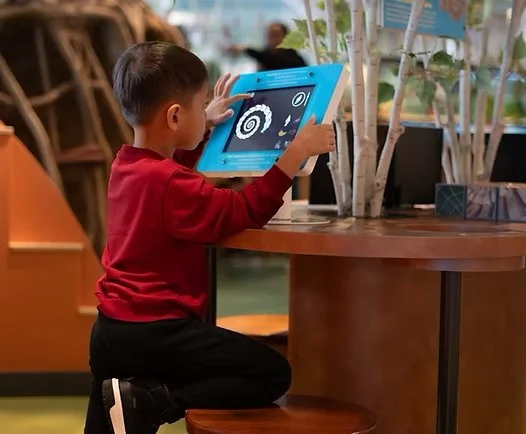
CREATIVE LEARNING
AI

Photo: BxCM
Photo: Erica Price
Before DF
BxCM needed a way to center children’s voices while deepening literacy in a borough where there is only one brick-and-mortar bookstore for 1.4 million residents, and where only 11.5% of children are enrolled in computer science classes.
with DF
BxCM began building the BX Story Machine, an AI-powered storytelling kiosk that lets children create personalized storybooks in English and Spanish. The experience feels like play, but also gives the museum valuable insight into what families care about, what exhibits resonate, and how children express themselves.
after DF
BxCM is working closely with Google staff and industry experts to bring this tool to life, grounding it in child safety, creativity, and responsible data use. With growing support and visibility, BxXCM is shaping the future of child-centered museum experiences.
AI Advocate: David Giles, Chief Strategy Officer
One of the nation’s largest library systems, serving 2.7 million residents across 62 branches and offering more than 83,000 free programs each year. A trusted civic anchor, BPL plays a critical role in digital literacy, workforce readiness, and equitable access to information.
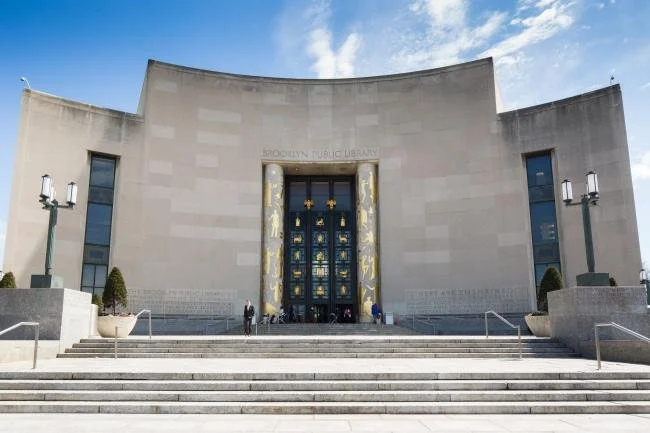
AI LIBRARY TOOLS
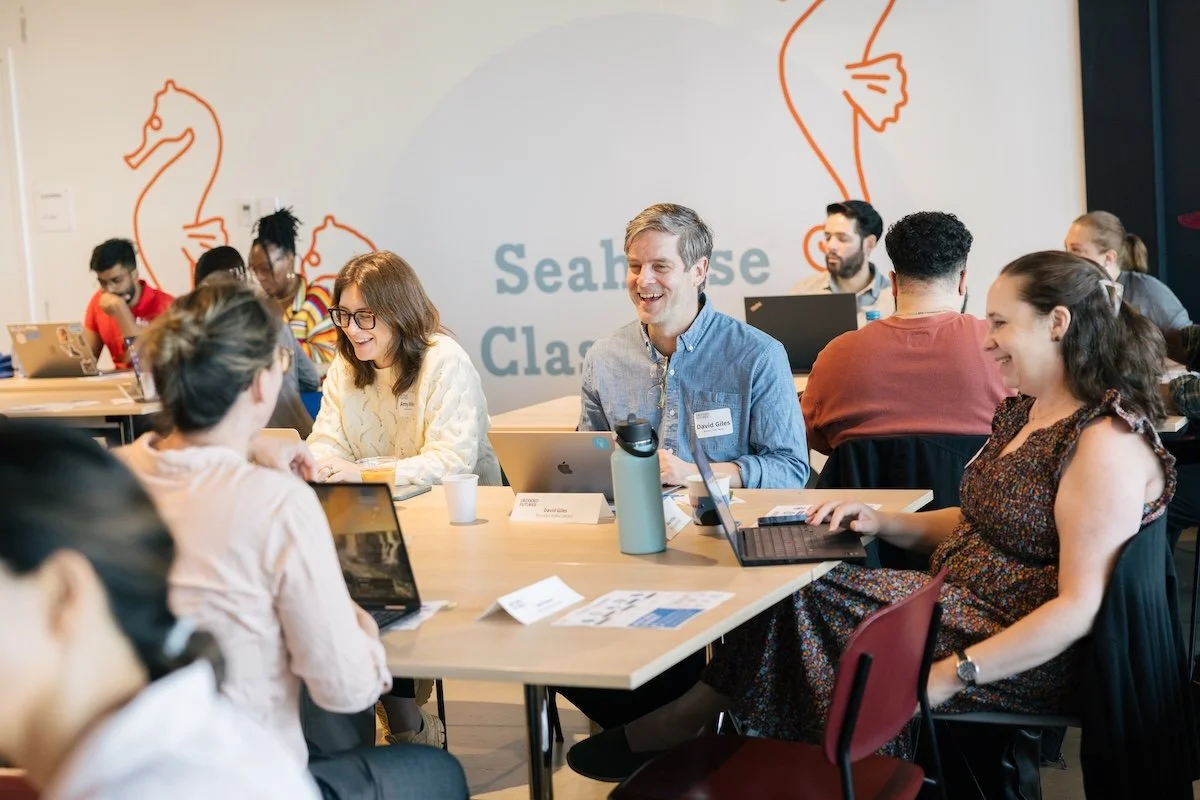
Photo: Brooklyn Public Library
Photo: Google.org
Before DF
Like many public institutions, BPL faces an increasingly complex challenge: helping patrons navigate a wide range of resources while also supporting staff who manage scheduling, data, and service delivery across a large system. Existing tools — especially for multilingual patrons and busy frontline teams — aren’t built for the scale or speed today’s libraries require.
with DF
BPL created its first AI-powered discovery prototype for non–English speakers. The early tool translated library language, clarified programs, and helped patrons discover resources they might have otherwise missed. This gave BPL a clear view of AI’s potential across the system.
after DF
With a 25-person internal AI working group, BPL is building toward a multilingual navigation assistant, staff scheduling tool, and an AI-powered business intelligence system to detect data anomalies and support safer, more responsive library operations. BPL is now one of the country’s leading public library innovators in AI adoption, expanding access for the millions of New Yorkers who rely on the library every year.
AI Advocate: Rebecca Beeman, Strategic Advisor to the University Dean
Supports tens of thousands of NYC students by strengthening early college pathways, easing transitions between high school and higher education, and coordinating system-wide programming across the CUNY ecosystem.
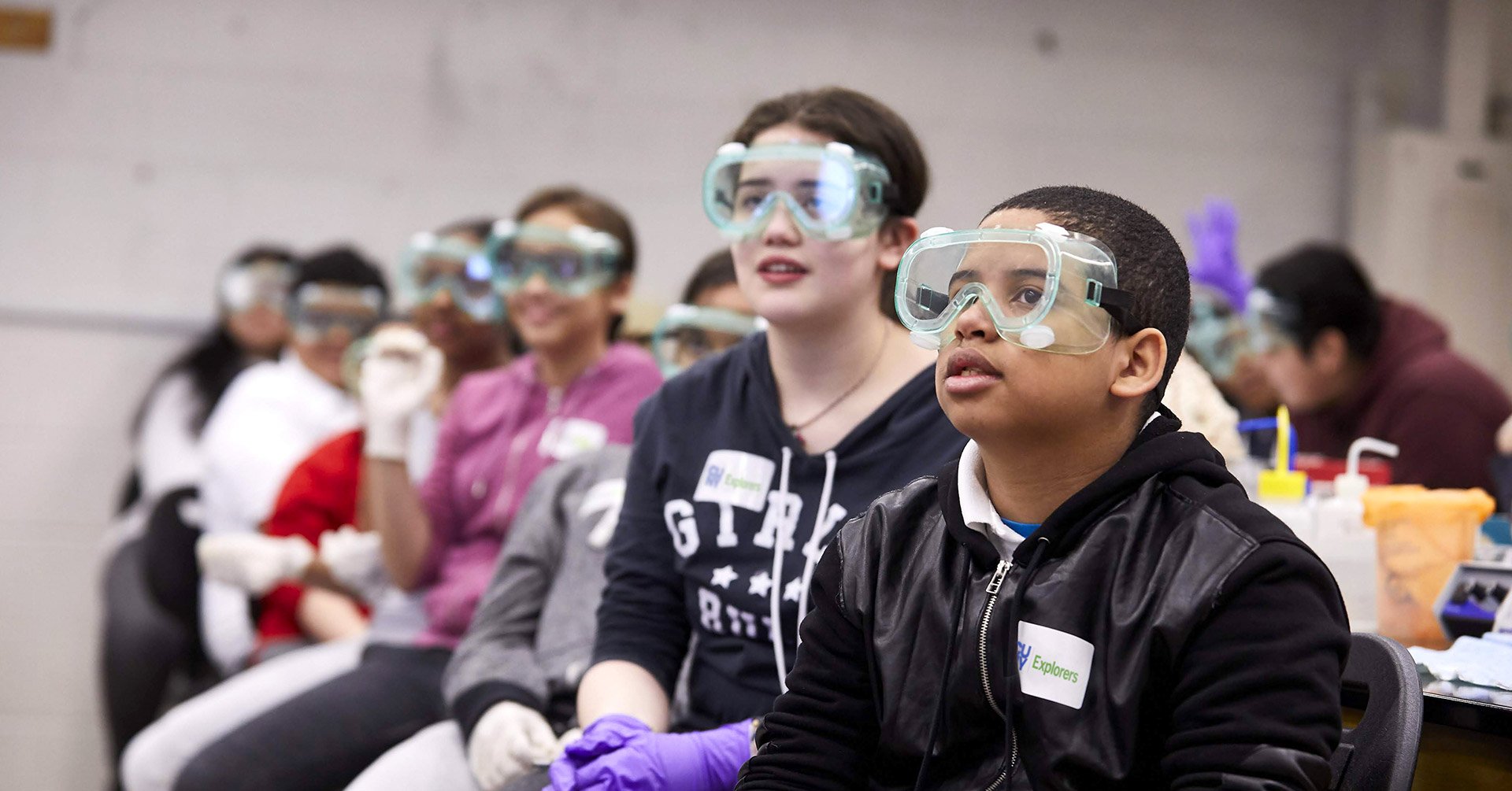
AI ACADEMIC SYSTEMS
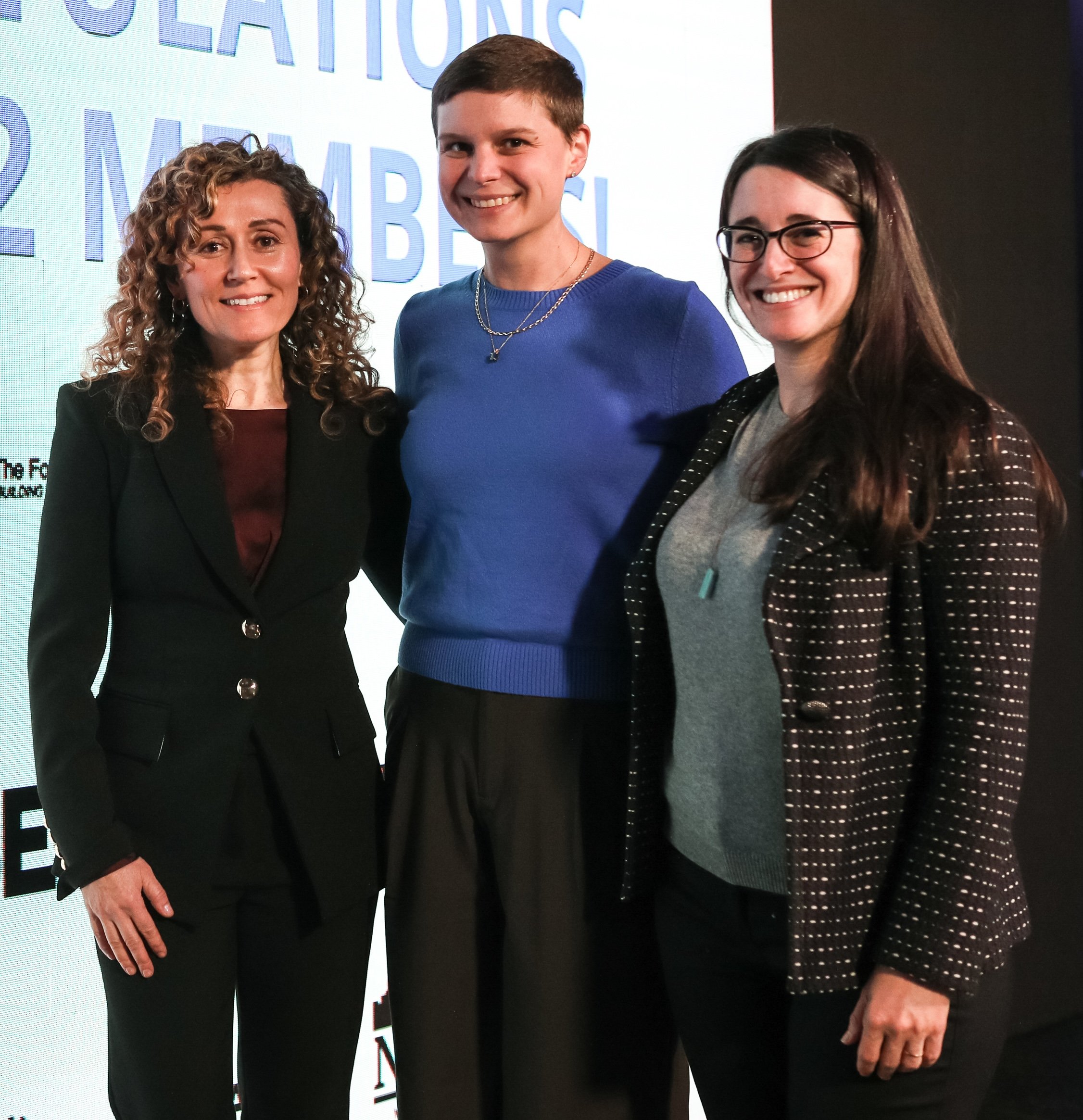
Photo: Erica Price
Photo: CUNY K16
Before DF
K16’s teams faced time-consuming workflows and fragmented communication, making it difficult to personalize outreach for thousands of students and families. A lack of shared language around AI further slowed adoption..
with DF
K16 prototyped new workflows, translated complex academic logic into structured templates, and trained the entire leadership team on effective, responsible use.
after DF
K16 led a major transformation, launching AI trainings for 18 senior leaders, shifting mass communications from paper to personalized digital formats, and embedding AI into annual planning and program design. The organization continues to expand staff training, streamline communications, and develop prototypes that reduce administrative workload and free teams to focus on student success.
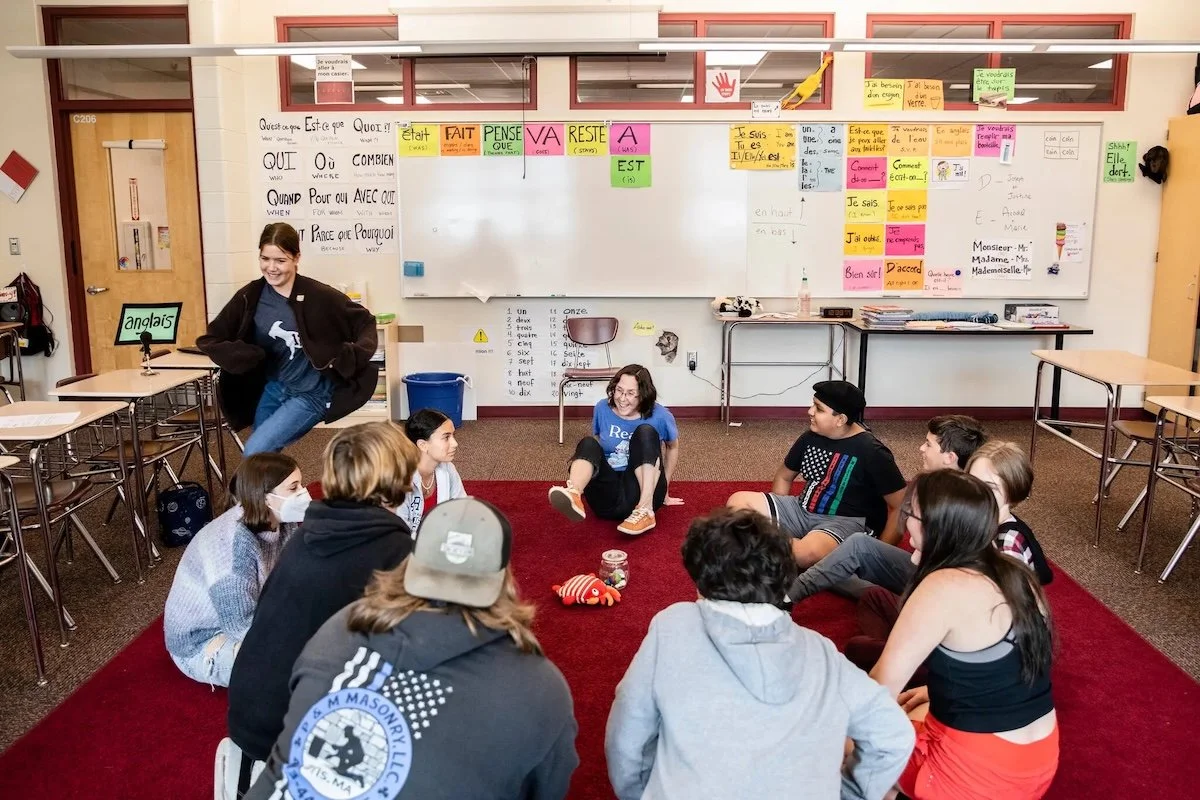
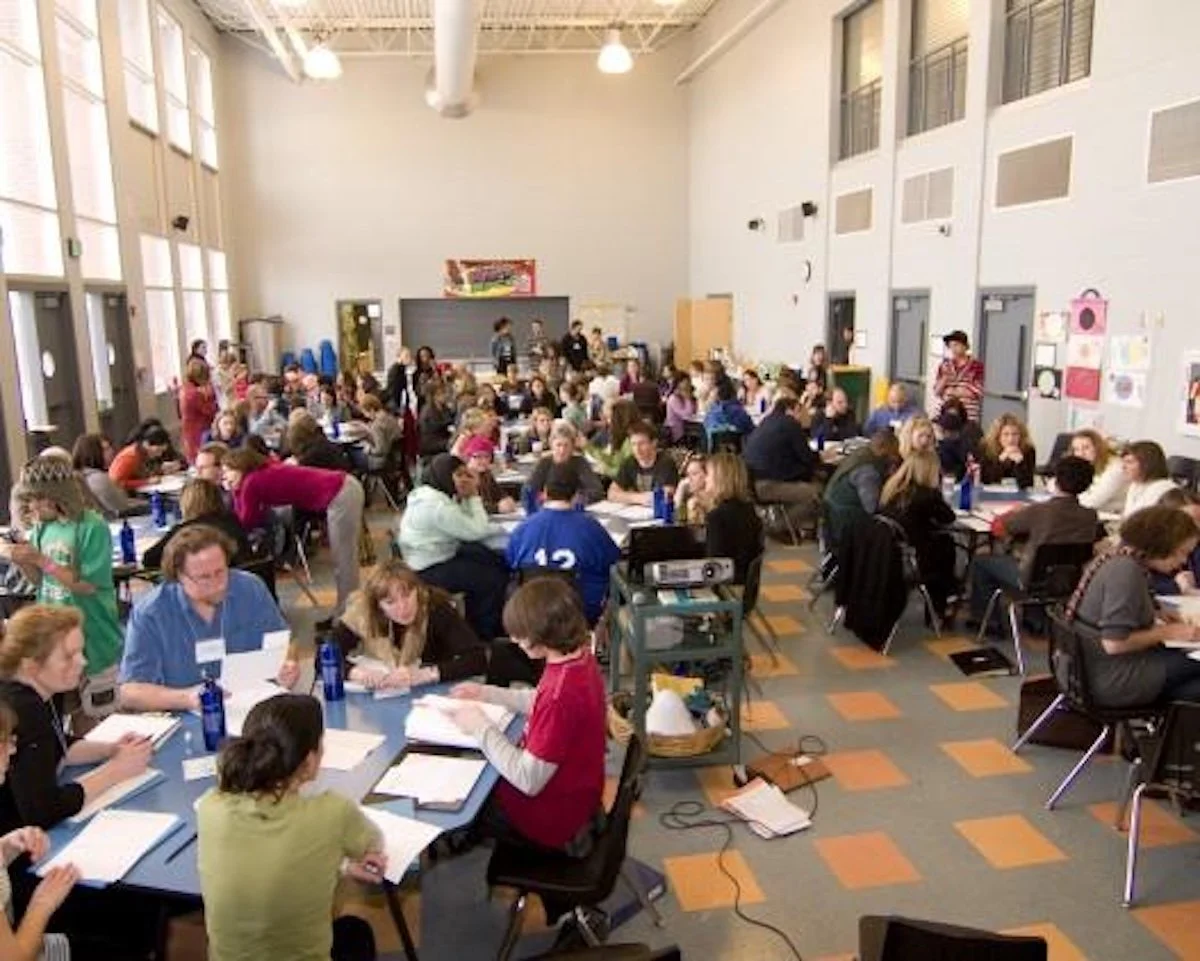
AI Advocates: Scott Hartl, CEO, and Jason Wells, President
Works with schools nationwide to ignite deeper learning, elevate student engagement, and drive transformative school design.
AI
EDUCATION SOLUTIONS
Photo: EL Education
Photo: EL Education
Before DF
As a national education leader, EL sought to understand how AI could strengthen instructional models, support teachers, and streamline internal systems without compromising equity or mission.
with DF
EL explored AI’s potential across operations, data, and program design. Early prototypes revealed how AI could accelerate backend tasks, boost staff efficiency, and strengthen support for partner schools. The program also provided a trusted space to benchmark against peer organizations, helping EL clarify its next steps.
after DF
EL Education rapidly advanced into a national AI leader. The organization is now running two major AI innovation projects — with the Chan Zuckerberg Initiative and the Gates Foundation — to develop education-focused chatbots that automate knowledge systems, and improve organizational infrastructure. These efforts expand EL’s capacity to build systems without relying on engineers. EL stands out as a future-forward organization, modeling how AI can strengthen instructional design, enhance national programming, and support educators at scale.
“It really shifted my mindset about what AI is capable of doing… I can help teams solve things that used to take hours”
Rebecca Beeman,
CUNY K16
The First AI Cookbook
by Decoded Futures
This year, we launched Decoded Futures’ AI Prompt Cookbook, a hands-on guide that distills our team’s pattern-based, prompt-driven approach to practical AI use.
Thousands of nonprofit leaders have incorporated the Prompt Cookbook into their work; it’s the most accessed resource for nonprofits on OpenAI Academy; and it has quickly become one of the most shared resources in the Decoded Futures network.
The Cookbook organizes more than 360 prompt “recipes” across five typical nonprofit problem types. The purpose is simple: Give nonprofits a clear starting point of immediate solutions of time-tested patterns.

“The cohort really demystified AI for me… It jumpstarted my use. Now there are functions in my work I wouldn’t do without AI, and I’m leading two major AI projects with the Gates Foundation and CZI”
Scot Hartl
EL Education
A $1M partnership that accelerated nonprofit AI innovation
Decoded Futures’ third cohort in 2025 marked a milestone: Each participating nonprofit received funding of $5,000 to activate their AI solutions — plus the opportunity to apply for up to $100,000 in additional support.
With a $1 million grant from Google.org administered through the Decoded Futures Fund at The New York Community Trust, 12 nonprofits were awarded funds to help them turn early prototypes into durable systems that accelerate their impact.
GRANT RECIPIENTS

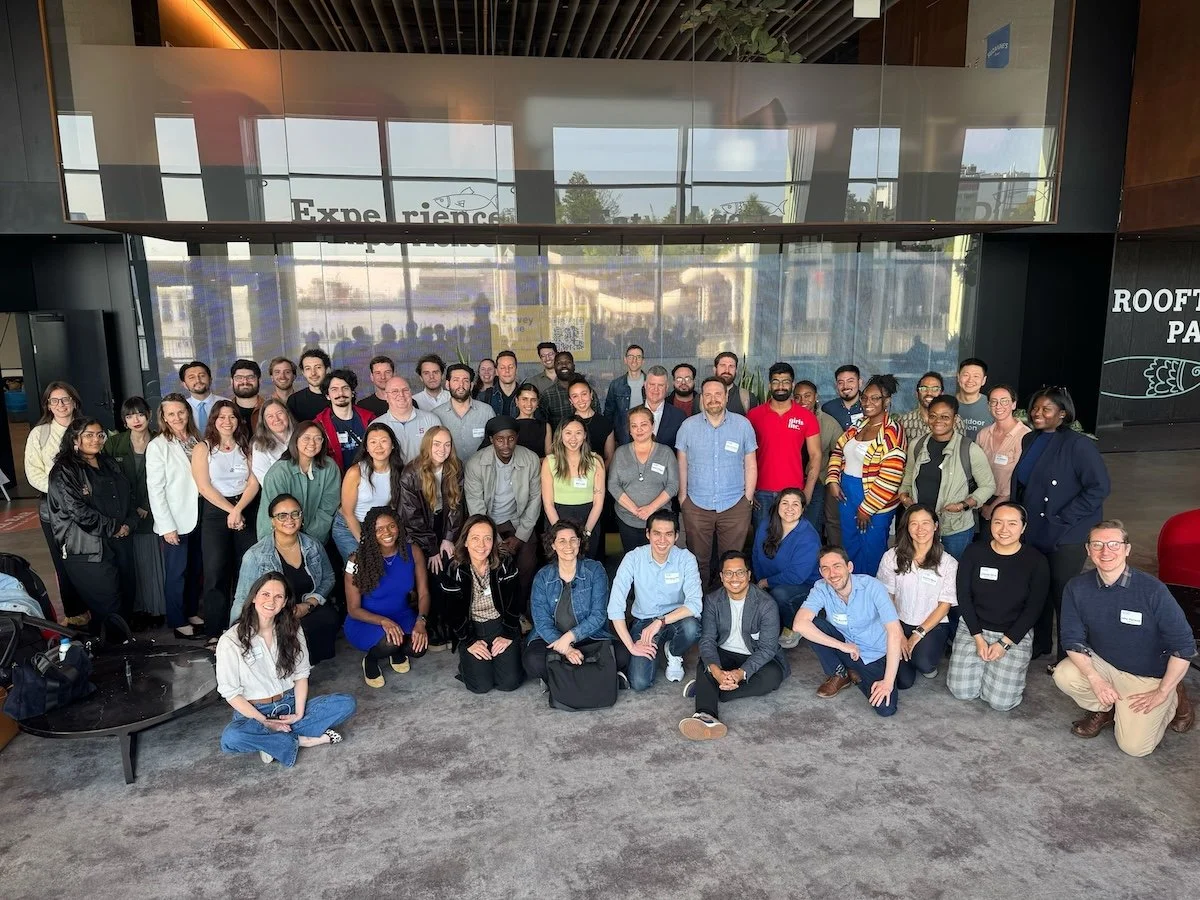
Photo: Google.org
![0-DF3_Discovery Day_DecodedFutures_050125_Varner[selects]-11.jpg](https://images.squarespace-cdn.com/content/v1/693adb1e61b3fd35dd5f71de/149ebdf5-643b-413a-b9e9-b29bdbeb4960/0-DF3_Discovery+Day_DecodedFutures_050125_Varner%5Bselects%5D-11.jpg)
78%
OF ORGS LEFT THE JAM WITH A WORKFLOW
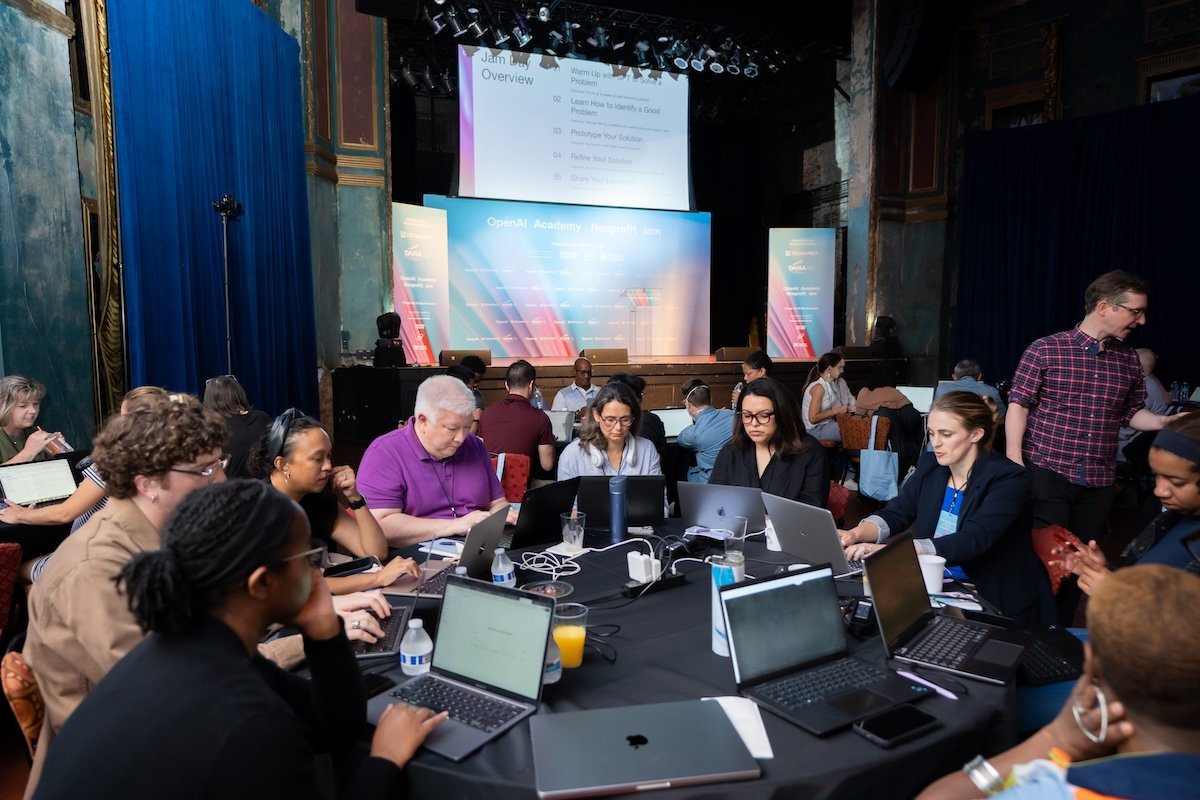
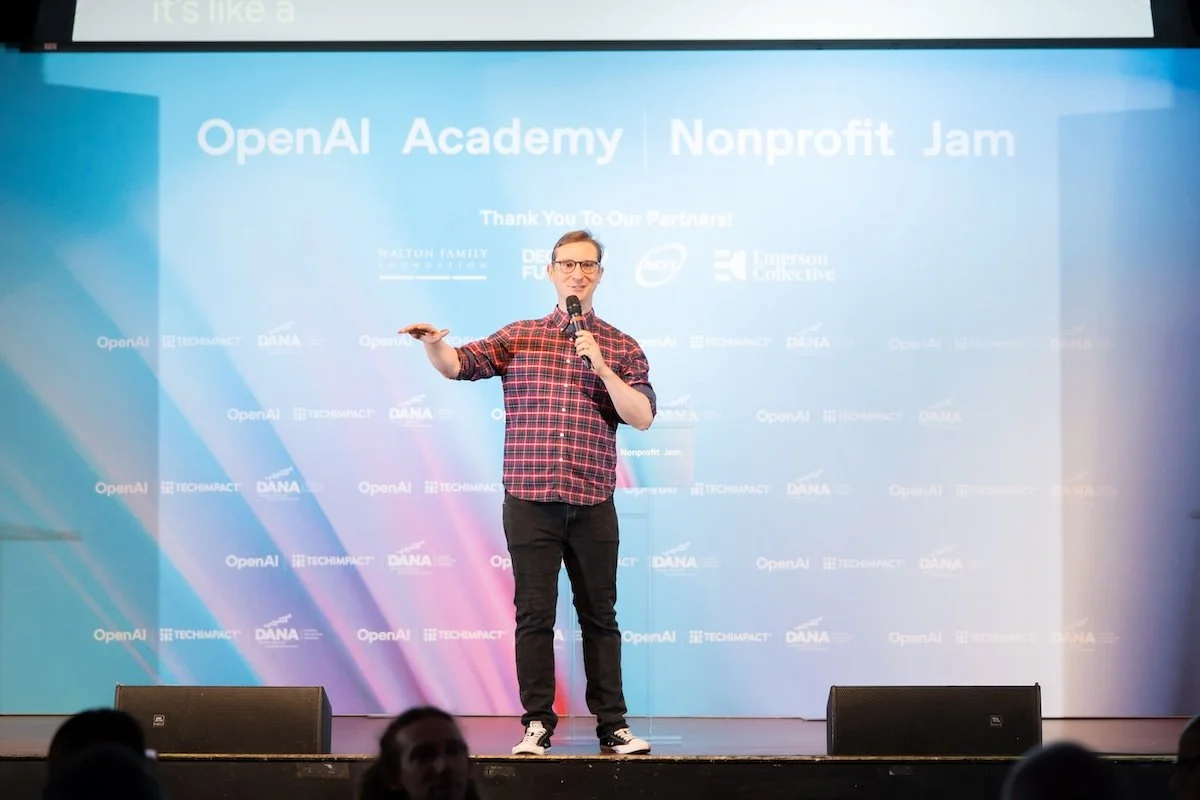
Photo: OpenAI/Taylor Mickal Photography
Photo: OpenAI/Taylor Mickal Photography
This year, Decoded Futures partnered with OpenAI to design and deliver the first nationwide AI learning event for nonprofits. The collaboration brought hands-on AI training to community leaders in 10 cities across the U.S., giving nearly 1,000 organizations the chance to explore real tools, solve real challenges, and imagine what AI could unlock in their day-to-day work.
The sessions created a replicable model for national AI capacity building, and directly shaped how OpenAI now engages with social impact organizations.
Read the OpenAI blog post here and the after-action report here. A new cultural anchor and a celebrated member of New York City’s Cultural Institutions Group — a major milestone for an organization that spent its early years operating from a bus. Today it serves more than 150,000 children and families with STEAM learning and child-centered exhibits.
“I talk about Decoded Futures all the time… the approach is really useful and effective in terms of real practical application of things”
Jacob Schwartz,
Fortune Society
EVENTS & PRESS
●
EVENTS & PRESS ●
Decoded Futures
at events
Build Day 2025
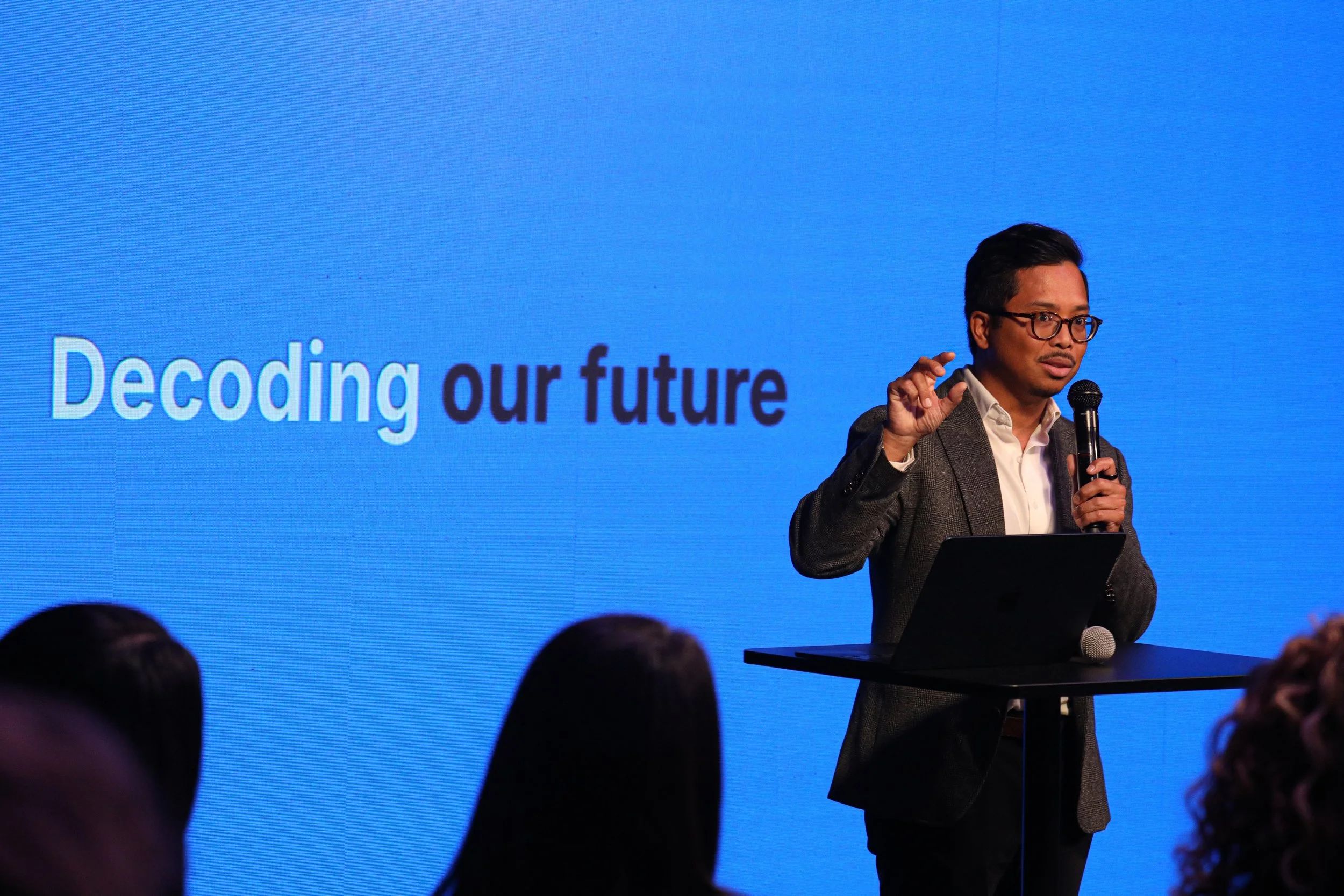
Photo: Erica Price
31
nonprofit leaders and 14 technologists joined us for a day of collaboration on prototyping AI-powered solutions.
95%
of participants learned something new in the session
94%
of participants plan to bring what they learned to their organization
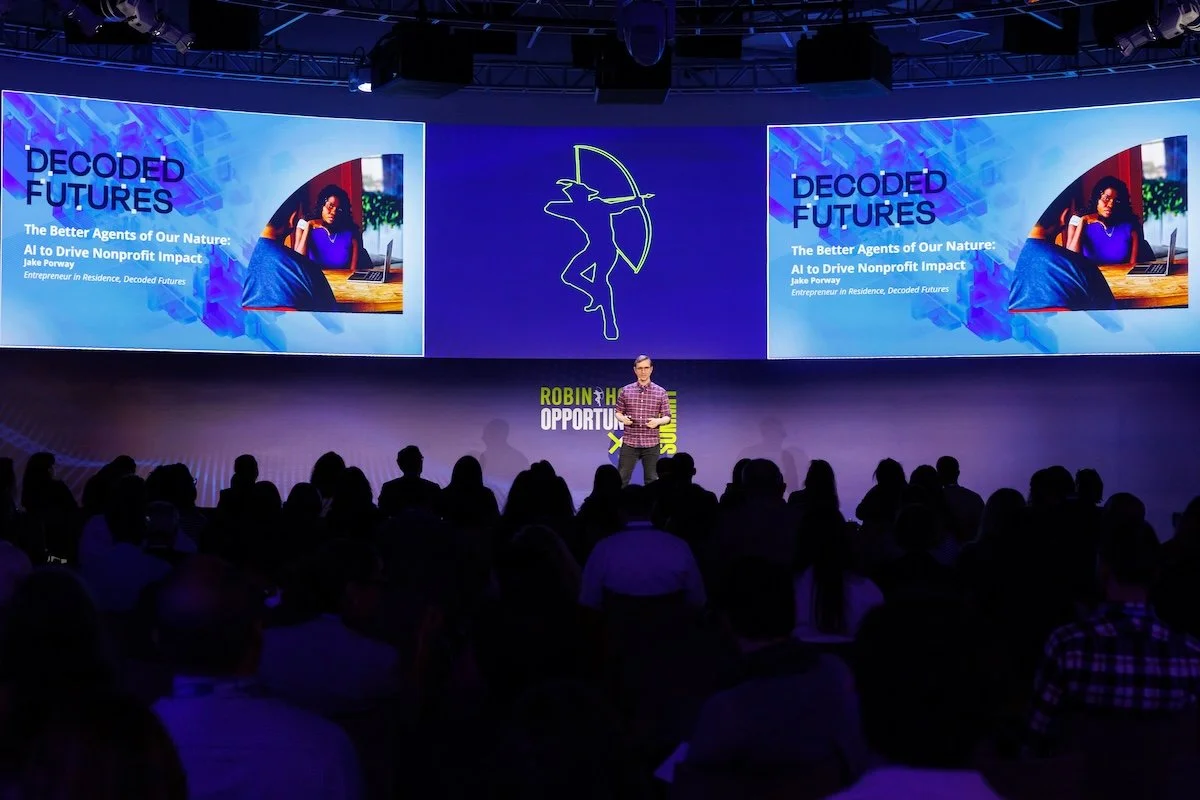
Decoded Futures at the Robin Hood AI Summit. Photo: Robin Hood/Cory Winter
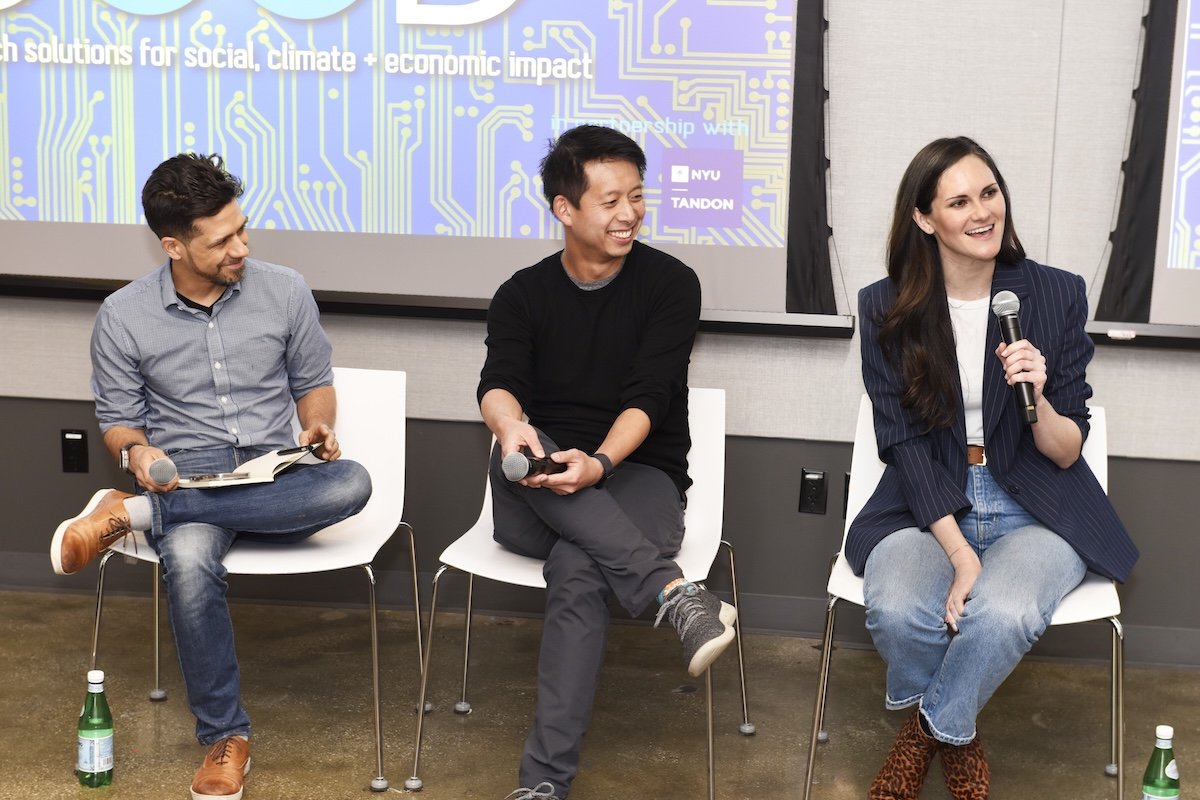
At Make It In Brooklyn's Tech for Good panel. Photo: Downtown Brooklyn Partnership
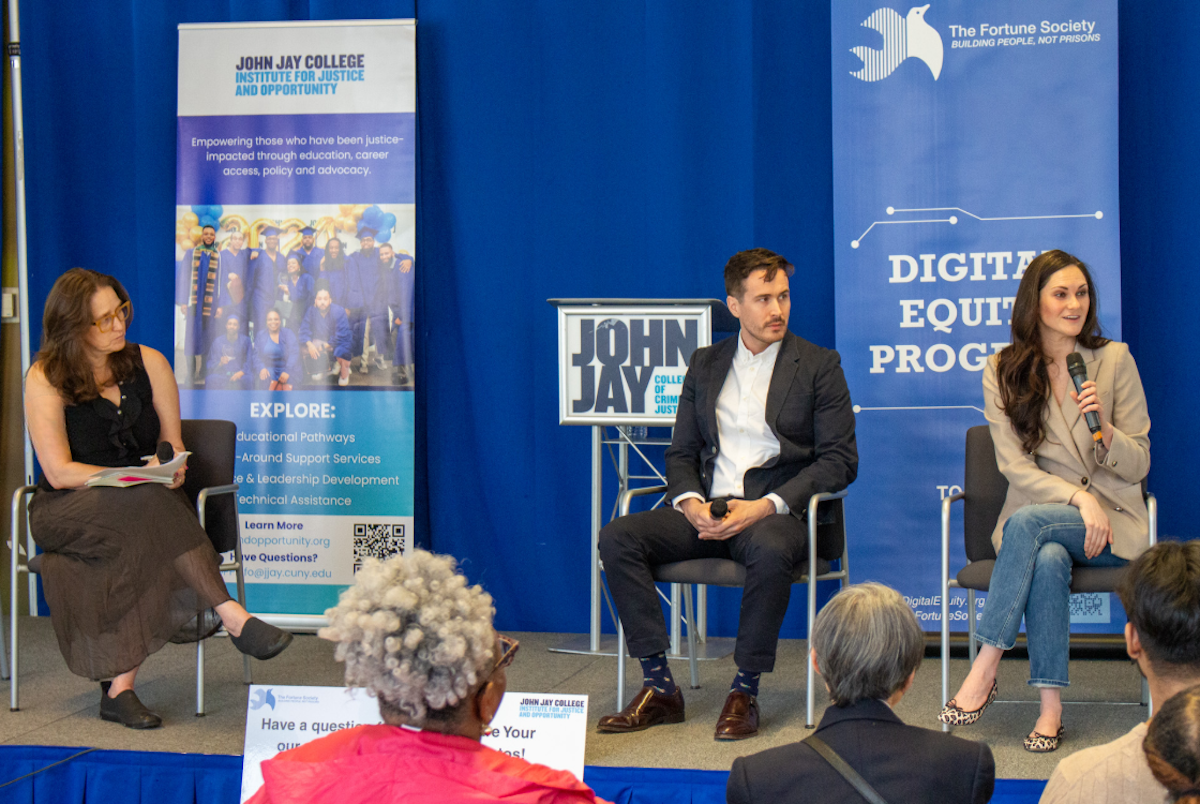
At the Fortune Society's Tech Fair. Photo: Fortune Society
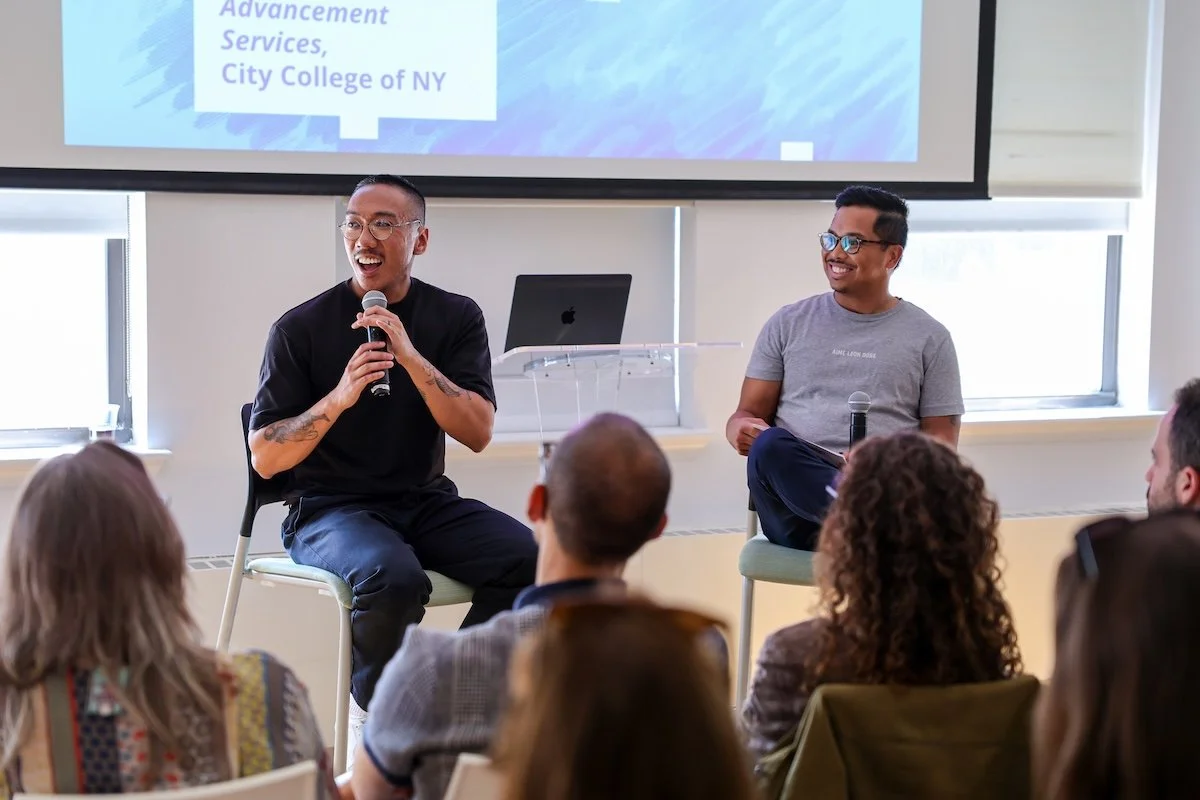
At New York Tech Week. Photo: Cory Winter
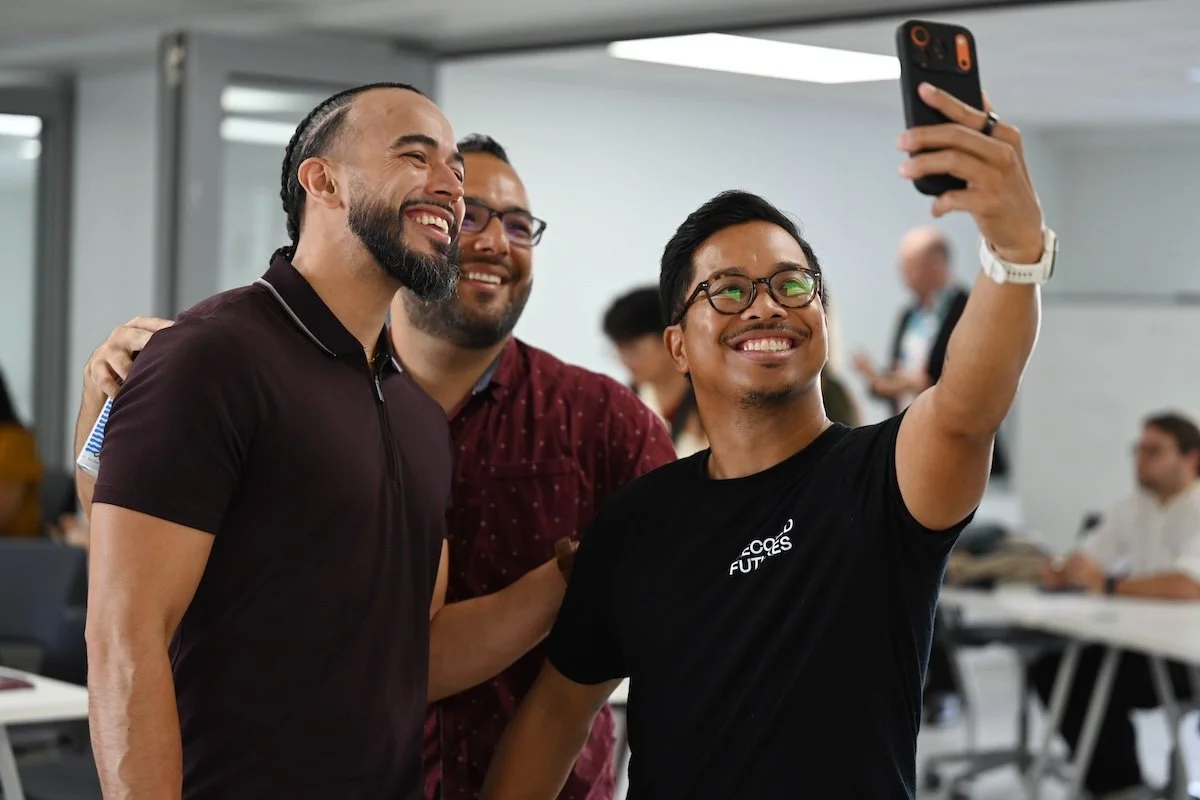
At Somos 2025. Photo: Ana María Abruña
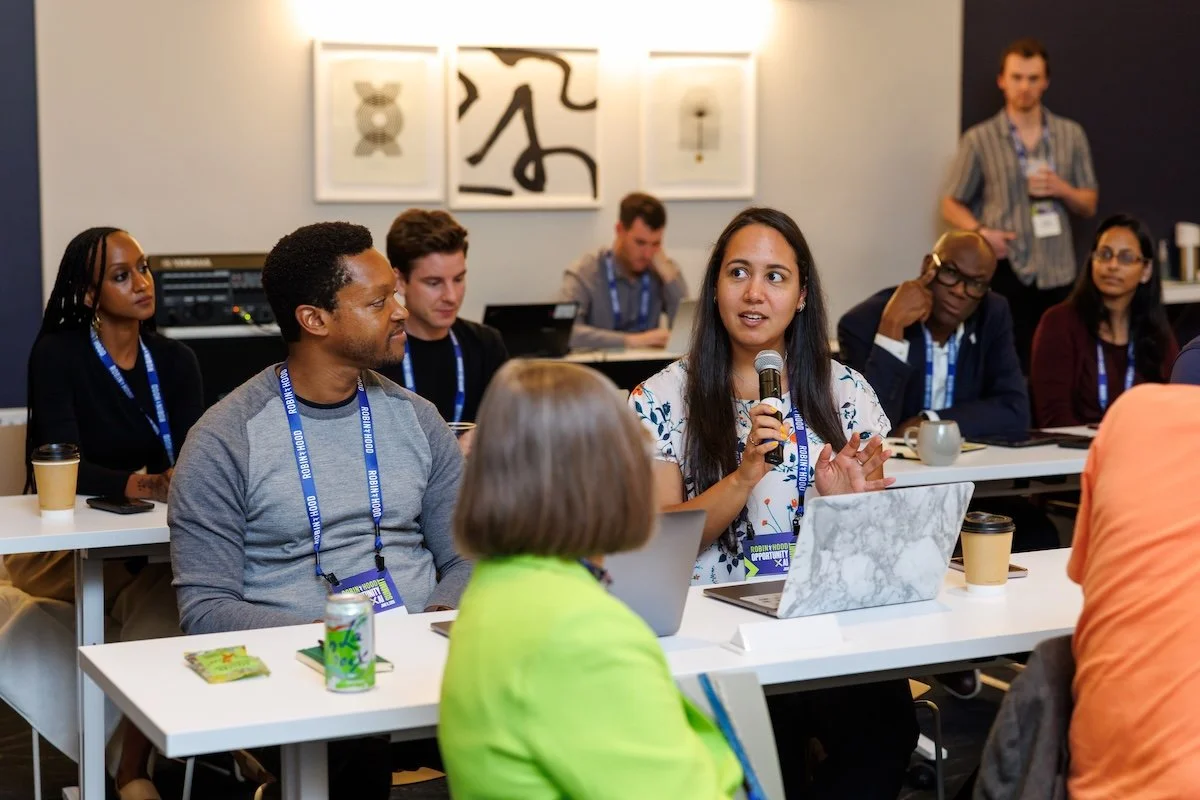
At Robin Hood AI Summit. Photo: Robin Hood
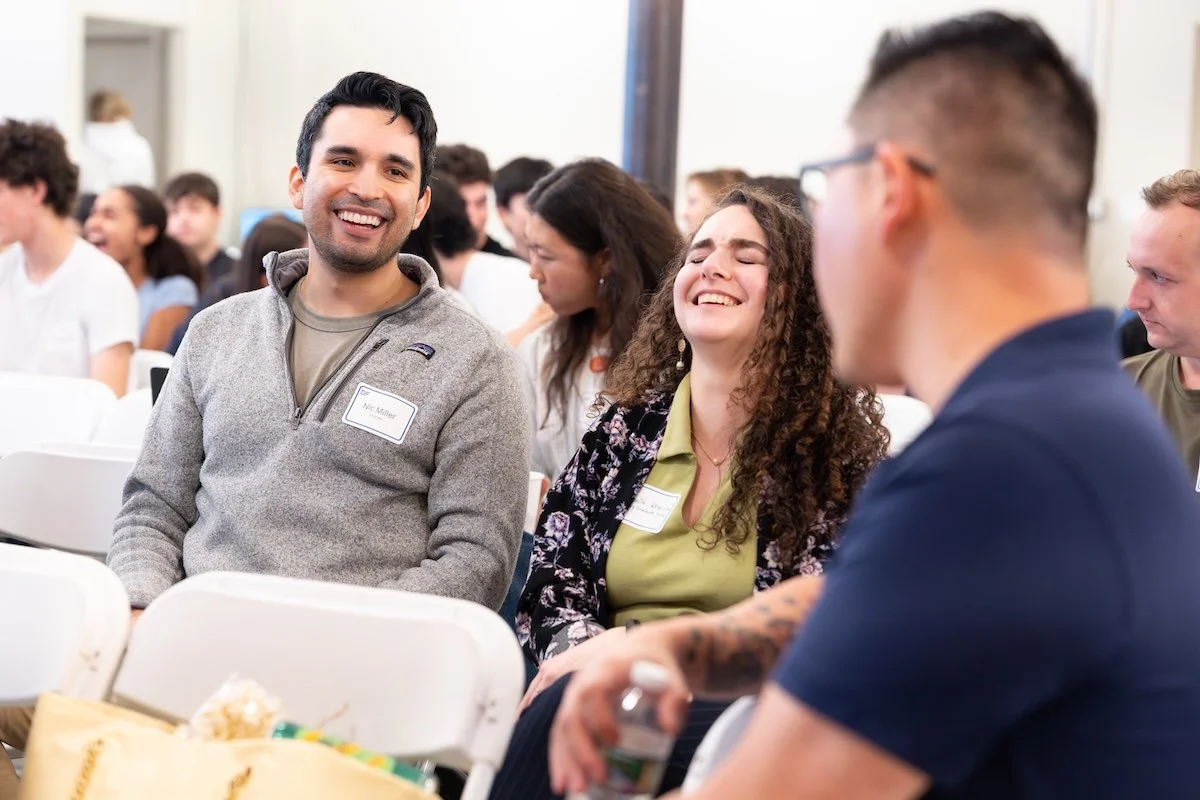
At Cohort 3 Demo Day. Photo: Rafael Infante

At Demo Day Cohort 2. Photo: Erica Price
Decoded Futures out & about
YOU SAW US IN THE MEDIA!



YOU SAW US IN THE REPORTS!
YOU SAW US WITH OUR PARTNERS!

LOOKING AHEAD
●
LOOKING AHEAD ●
Decoded Futures
in 2026
Next year, Decoded Futures will expand statewide across New York, support its first full-length national cohort in Denver, CO, deepen alumni learning communities, and build shared infrastructure that helps nonprofits turn AI into durable organizational capacity.
Nonprofits are already leading this moment. Tech:NYC’s Decoded Futures is proud to be their force multiplier.
We need everyone to join us in this mission of an AI-driven NYC! If you’re interested in supporting Decoded Futures and helping bring AI to social impact, email us at decodedfutures@technyc.org.